
Specimen collection
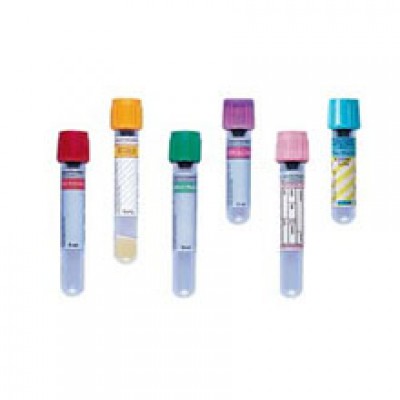
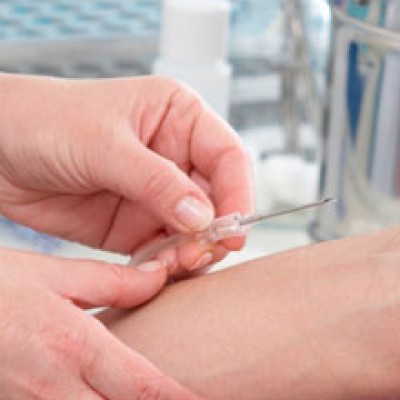
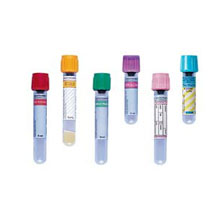
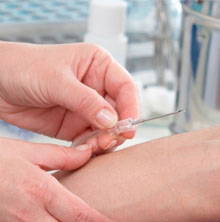
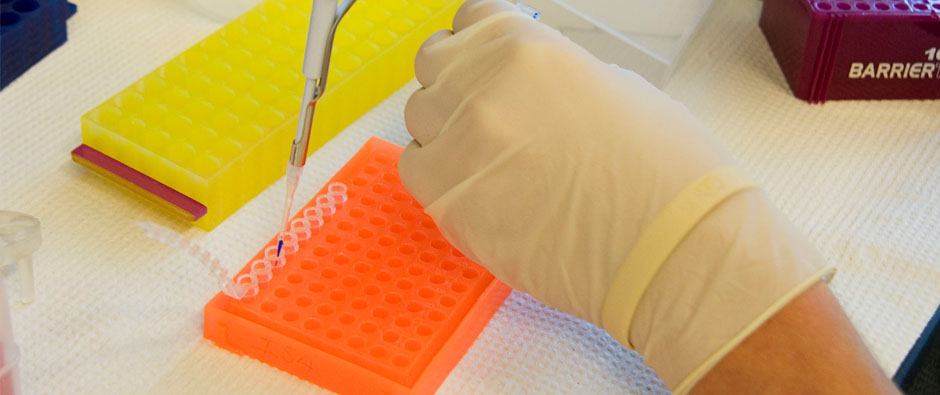
Specimen collection is an important procedure to interpret analytical and morphological information to assist in the diagnosis of clinical problems and the monitoring of disease progress and treatment. The patient identification form- Test Requisition & Consent Form (TRF) must be completed with care and the information such as Client Code, Barcode, Patient Name, on the specimen must correspond to that on the request form. The importance of correct identification is most clearly illustrated by the potentially lethal consequences of mis-identification in the area of blood transfusion, but serious repercussions can occur in all areas of investigation.
Read MoreQuality and Technology
Dr. singh Patholabs believes in Quality, hence, Our Quality Council has adapted resolution to play vital role in promoting quality and building capacity to meet expectations of clients. It has also ensured unflinching commitment to Quality and ensures best professional practices and Quality in all its operations.
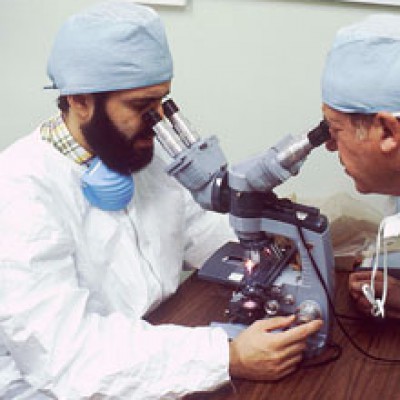
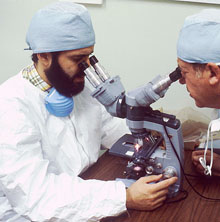
Dr. singh Patholabs believes in modern Technology. To maintain the quality, right technology with highest precision and accuracy is needed, hence, Our Quality Council has been assigned task to technical finalization of instruments, introduction of new methods, method validations and calibrations, quality control checks, uncertainty measurements, inter laboratory proficiency testing and training of personnel.
Read MoreSpecimen Storage
All blood samples must be treated as potential
infection risks. Care should be taken to avoid
over-filling of tubes, which is likely to be
associated with leakage of blood and
contamination of the external surface
of the container. Blood samples should
be transported to the laboratory in biohazard
themocol, gel pack enabled bags & boxes,
with minimum delay.If delay is inevitable,
it is generally better to refrigerate samples
in the interim, however refrigeration may
itself cause artefactual changes in the results.
Blood for electrolytes should not be
refrigerated; if delay is anticipated,
plasma should be separated and stored at 4°C.
Read More